
Denver's Creative Engine
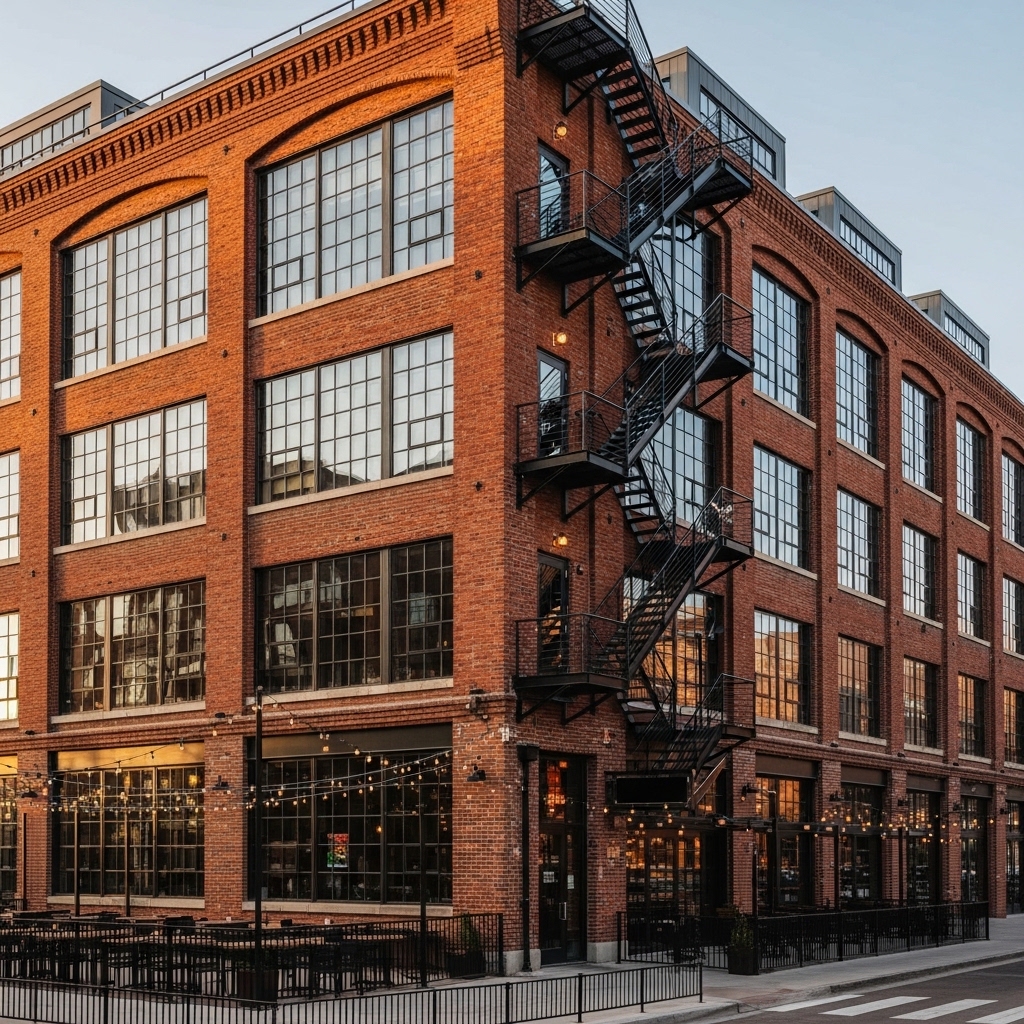
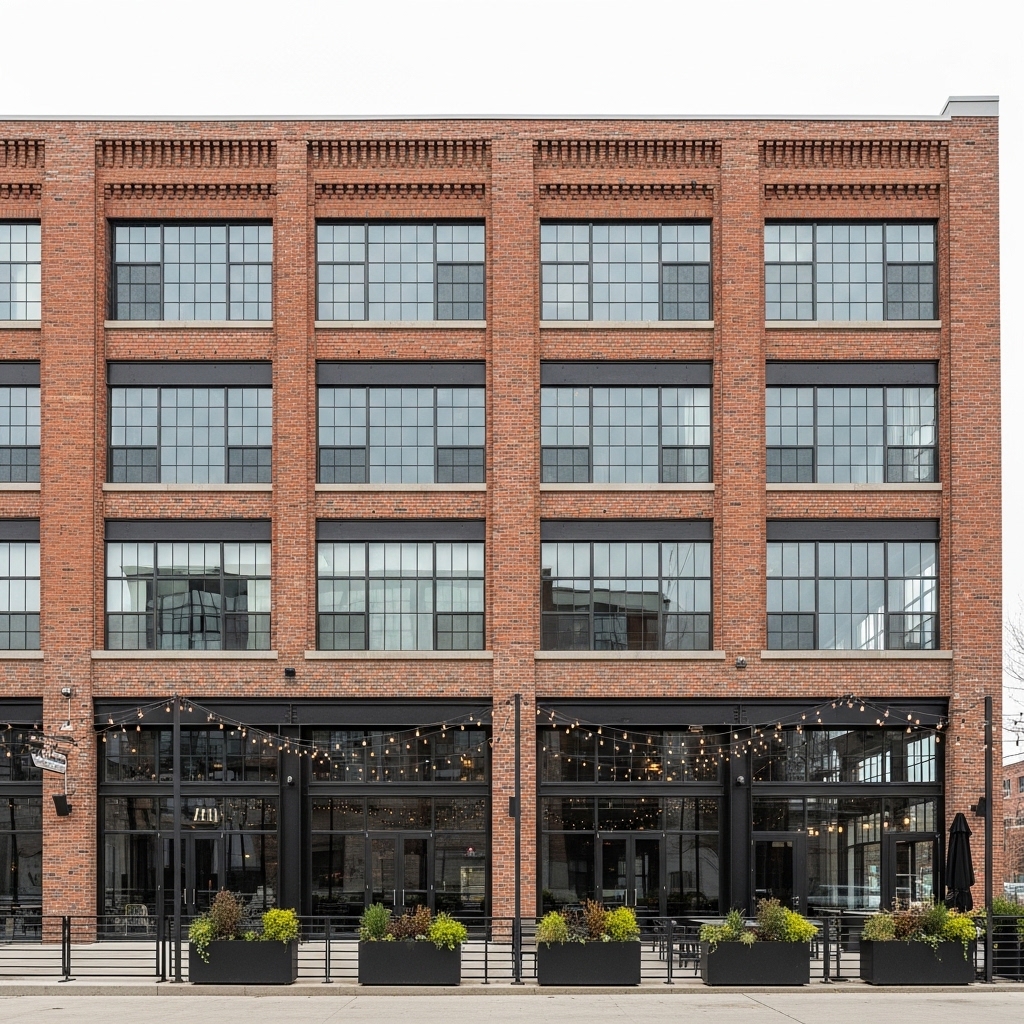
River North Art District, RiNo, is what happens when artists, brewers, chefs, and developers all discover the same neighborhood at roughly the same time. The result is one of Denver's most exciting and fastest-evolving areas: a former industrial zone where brick warehouses have become loft apartments, loading docks have become brewery patios, and nearly every exterior wall has been claimed by muralists from around the world.
The annual Crush Walls festival adds new murals every September, making RiNo an open-air gallery that literally changes year to year. Breweries like Ratio Beerworks, Our Mutual Friend, and Great Divide's nearby taproom anchor the drinking scene, while restaurants like Safta, the Source Market Hall, and Denver Central Market have established RiNo as a serious food destination. Denver Central Market, a food hall in a converted industrial building, captures the neighborhood's energy in a single space.
Living in RiNo means living with energy. This is not a quiet residential neighborhood, it is a place where the line between home and entertainment district is intentionally blurred. Residents walk to dinner, bike to breweries, and hear live music from their living rooms. For some buyers, that is exactly what they want. For others, it is worth understanding that dynamic before committing. The specific streets and buildings that balance energy with livability vary, and knowing the difference between a block that is fun to visit and a block that is comfortable to live on is essential.
RiNo's position between downtown and the Highlands also matters for daily life. The Brighton Boulevard corridor connects to downtown, the Platte River trail system is nearby for biking and running, and the 38th Street corridor provides access to the Highlands dining scene. The neighborhood is evolving quickly, individual blocks can change significantly over a few years, and understanding the development pipeline is part of making a smart purchase here.
Buying in RiNo
RiNo's market is evolving as new developments continue to reshape the neighborhood. Loft conversions in original warehouse buildings offer authentic industrial character, exposed brick, timber ceilings, oversized windows, while newer construction competes on modern finishes and amenities. Evaluating which projects represent genuine quality and which streets are well-positioned relative to infrastructure improvements matters more here than in most Denver neighborhoods.
Noise level is a practical consideration that is worth evaluating honestly. Some blocks are quieter than others, and the difference between living above a brewery patio and living on a residential side street is significant. Buyers who visit at different times of day, including Friday and Saturday nights, tend to make better decisions about which specific location works for their lifestyle.
Selling in RiNo
Properties with authentic industrial character, original brick, high ceilings, unique layouts, tend to attract strong interest in RiNo. The neighborhood's creative reputation draws buyers who value design and individuality. Sellers who lean into that aesthetic, rather than trying to make a loft look like a suburban home, tend to see the strongest results.
The visual story matters here more than most neighborhoods. Professional photography that captures exposed brick, natural light through oversized warehouse windows, and the street art visible from a balcony tells a story that resonates with RiNo buyers. Compass's marketing platform is well-suited to this kind of narrative-driven approach.
RiNo's buyer profile tends to be self-selecting. The energy level, proximity to nightlife and breweries, and industrial aesthetic appeal to a specific audience. Buyers who target RiNo are typically looking for walkable access to dining and culture, and they value design-forward spaces over traditional residential layouts.
What Makes RiNo Worth Considering
- Street art and culture: The annual Crush Walls festival and year-round murals make RiNo an evolving outdoor gallery
- Brewery and food scene: Great Divide, Denver Central Market, the Source, and dozens of independent restaurants
- Authentic character: Converted warehouses and industrial buildings provide unique living spaces you will not find elsewhere
- Bike-friendly: 95 Bike Score, one of Denver's most bikeable neighborhoods
- Central location: Between downtown and the Highlands, with easy access to both on foot or by bike
Frequently Asked Questions
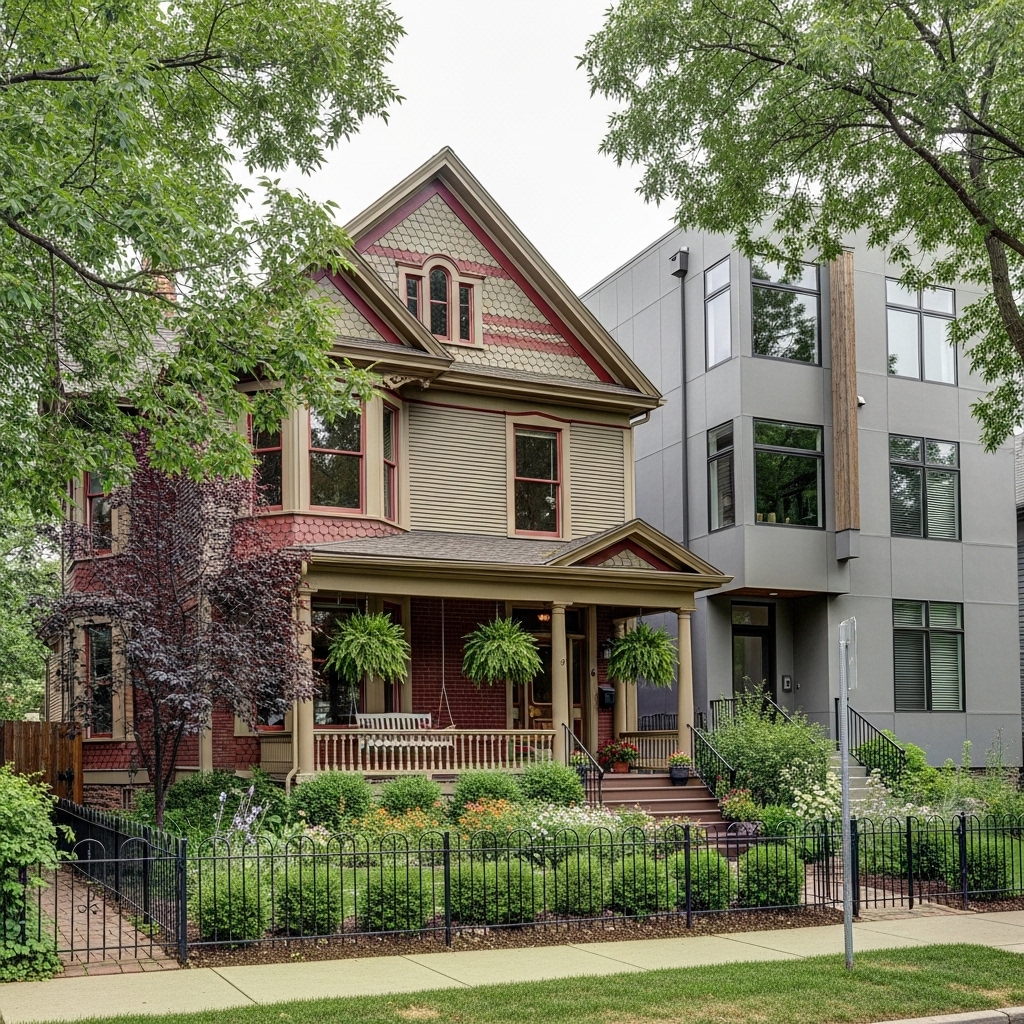
Highlands
Creative energy, local restaurants, and mountain views
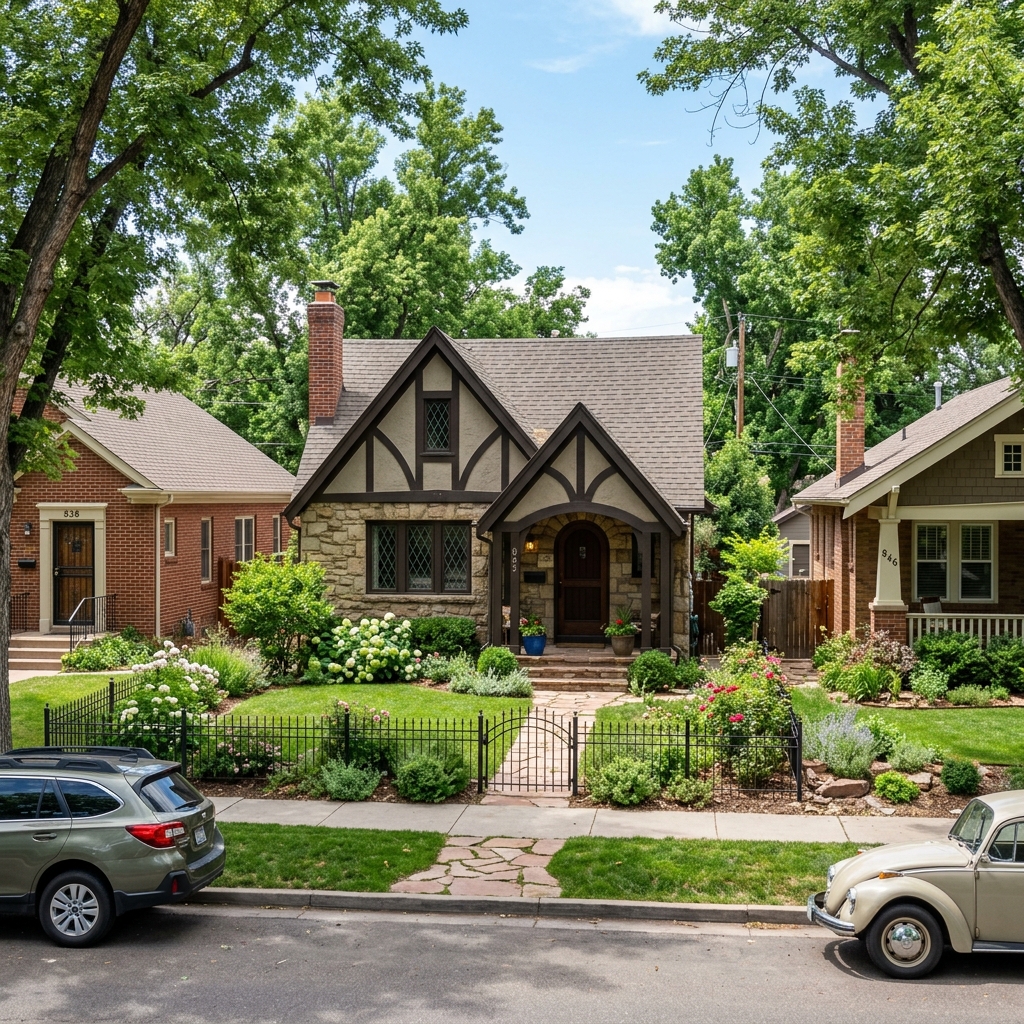
Congress Park
Central location, quiet streets, and a strong neighborhood identity
Baker
South Broadway character, local shops, and easy downtown access
Interested in RiNo?
Get in touch →