
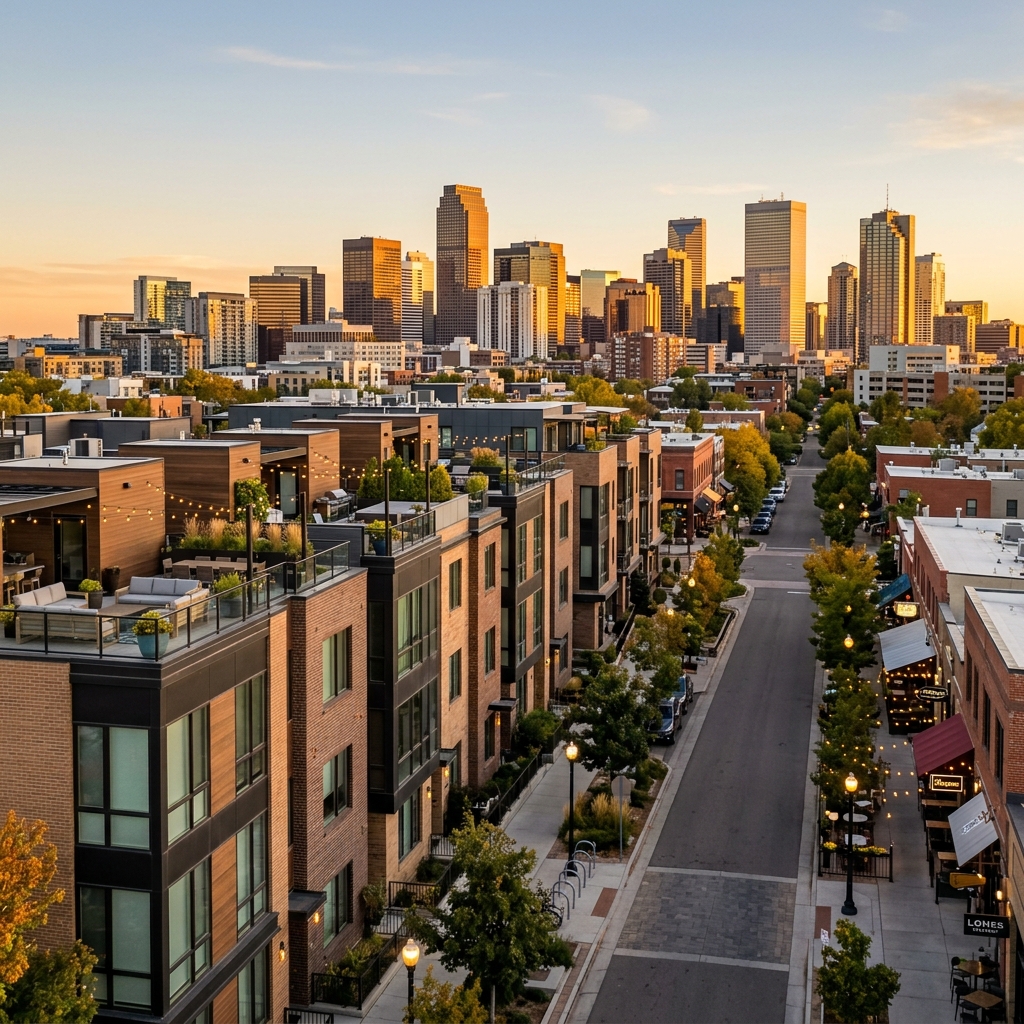
Denver's Most Connected Neighborhood
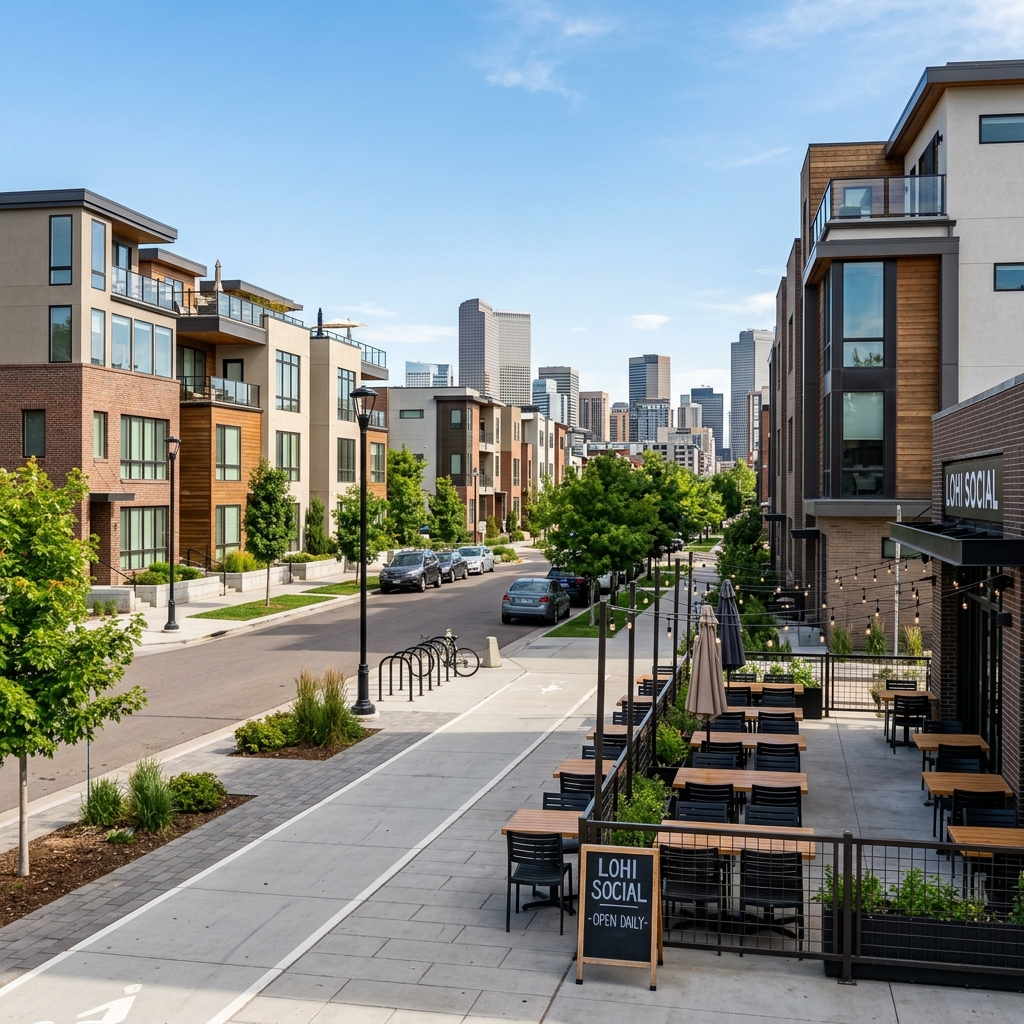
Lower Highlands, LoHi to locals, sits just across the Platte River from downtown, with a concentration of restaurants that draws diners from across the metro area. Linger, Root Down, and El Five are among the established names along the corridor. The neighborhood's dining density is one of the highest in Denver by square block, and residents have walkable access to all of it.
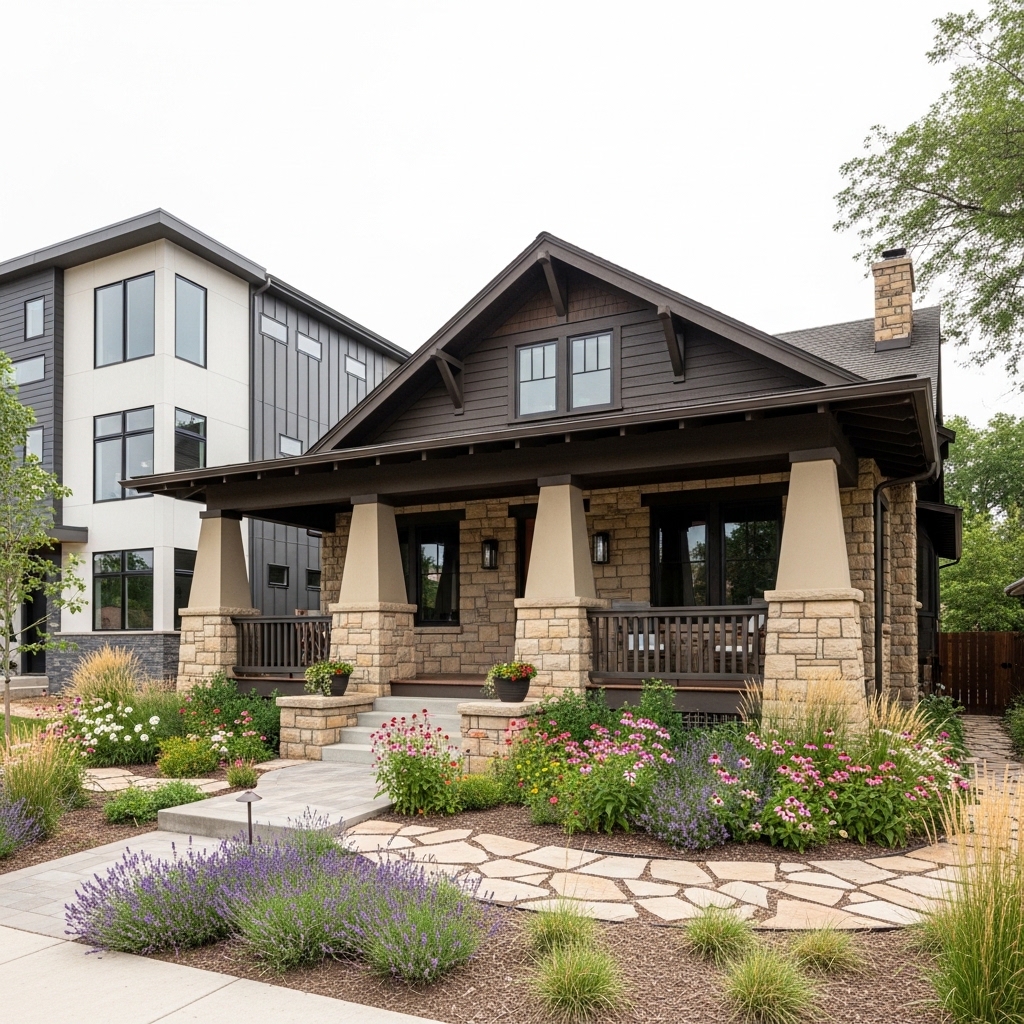
But LoHi is not just a restaurant district with apartments attached. The neighborhood has its own residential character, newer townhomes and condos with rooftop decks, converted older homes, and a handful of remaining original structures that give the area texture. The pedestrian bridge across the Platte connects directly to Confluence Park and downtown, making this one of the few Denver neighborhoods where you can genuinely leave the car at home for weeks at a time.
LoHi's transformation over the past decade has been one of Denver's most significant real estate stories. What was an overlooked pocket between the Highlands and downtown is now one of the city's highest-demand addresses. That evolution is ongoing, with new projects continuing to reshape the streetscape. The market is mature enough to have established pricing patterns, but dynamic enough that individual building and unit evaluation remains essential.
The density of lifestyle amenities within walking distance distinguishes LoHi from other urban neighborhoods. The Highland Bridge, Little Man Ice Cream, and the restaurant row along 32nd Avenue are all accessible on foot. For residents who prioritize walkable access over square footage, LoHi's layout delivers that consistently.
Buying in LoHi
LoHi's housing stock is predominantly condos, townhomes, and modern lofts, you will not find many single-family homes here. That means the buying process involves a different set of considerations: HOA financials, building management quality, rental caps, and how well a specific unit is positioned within its building. The difference between a well-run building and a poorly managed one is significant when you are living there every day, and those details do not always show up in listing photos.
Evaluating LoHi properties also means understanding view premiums. A unit with unobstructed downtown skyline views or mountain sightlines will command a meaningful premium over a comparable unit without them. Floor level, orientation, and balcony/rooftop access all factor into the equation. Buyers who take the time to understand these dynamics tend to find better value than those who focus solely on finishes and square footage.
Selling in LoHi
LoHi properties benefit from the neighborhood's reputation and walkability. Young professionals and couples actively seek out this area, and well-positioned listings attract strong interest. The key selling points are always the same: views (if you have them), walkability to restaurants, rooftop or outdoor space, and the overall lifestyle that LoHi offers.
Properties that tell a visual story, rooftop sunsets, walkable dining, the pedestrian bridge to downtown, tend to generate the strongest interest. Compass's marketing platform is particularly effective here, where the lifestyle narrative is just as important as the property details.
LoHi's pricing reflects its walkability. Dinner, coffee, the gym, downtown, and the river trail are all accessible on foot. That level of daily convenience is the primary driver of the neighborhood's price premium relative to surrounding areas.
What Makes LoHi Worth Considering
- Denver's dining epicenter: More acclaimed restaurants per block than almost anywhere in Colorado
- Downtown access: Walk across the pedestrian bridge to Confluence Park and downtown in minutes
- Rooftop culture: Many buildings feature rooftop decks with skyline and mountain views
- Car-optional living: Walk Score of 85 and Bike Score of 95 mean many residents rarely drive
- Transit: 82 Transit Score, one of the highest in Denver, with strong bus routes to downtown and beyond
Frequently Asked Questions
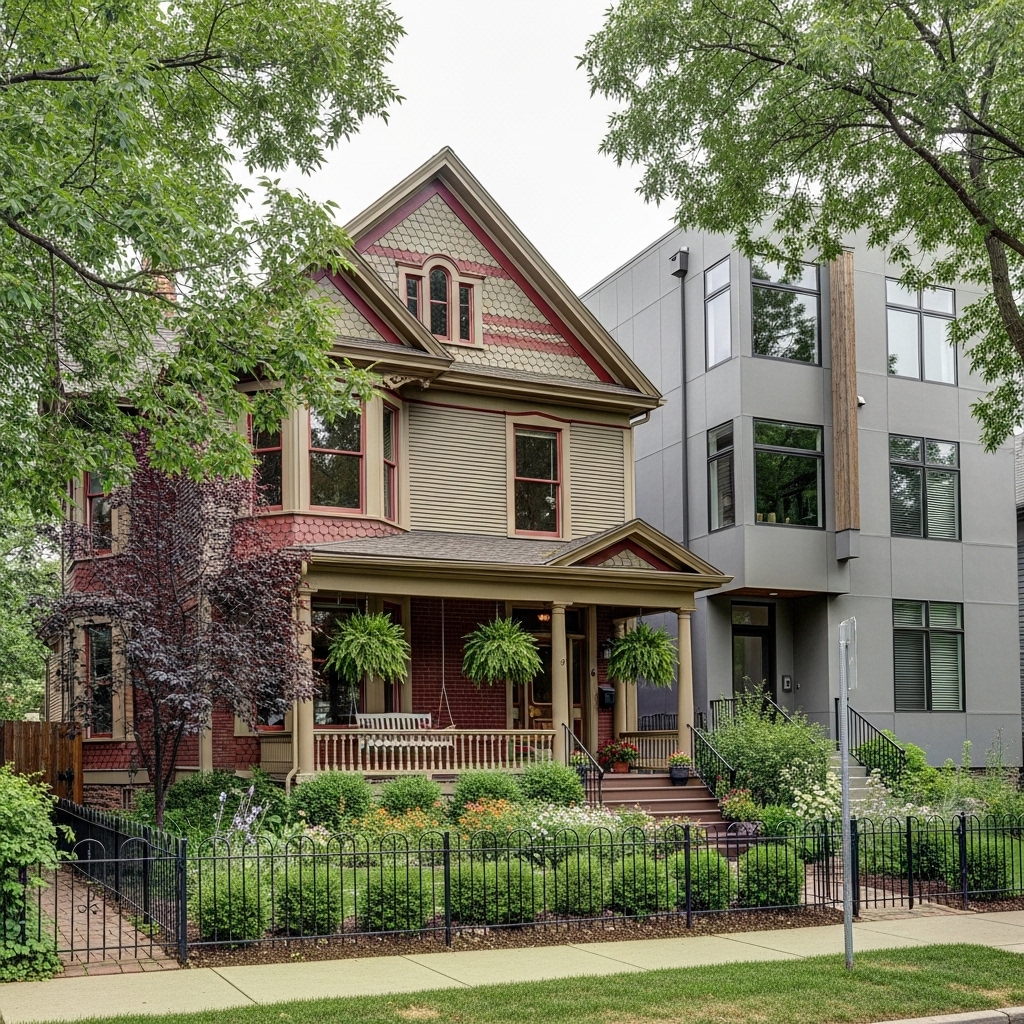
Highlands
Creative energy, local restaurants, and mountain views
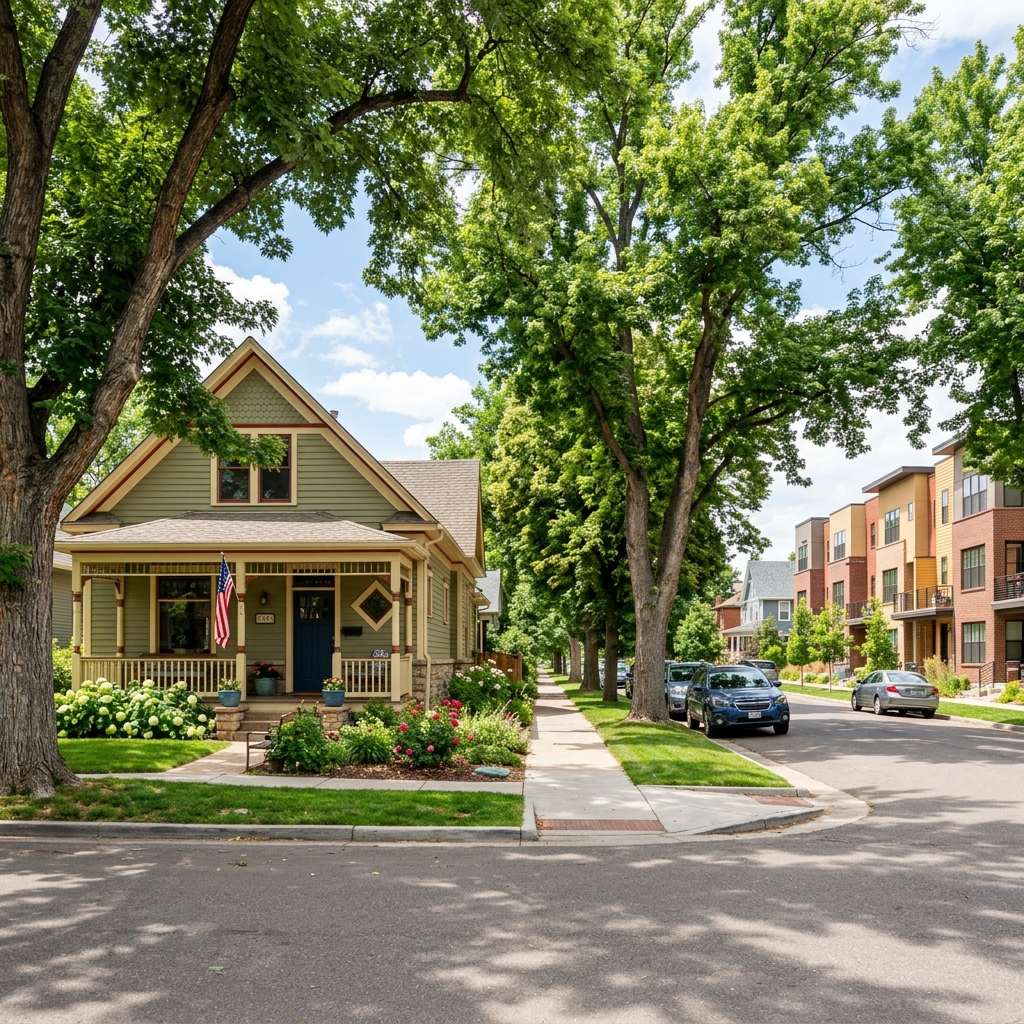
Whittier
Quiet residential streets between two of Denver's most vibrant areas
Sloan Lake
Lakefront living with skyline and mountain views
Interested in LoHi?
Get in touch →