
Established Character, Strong Community
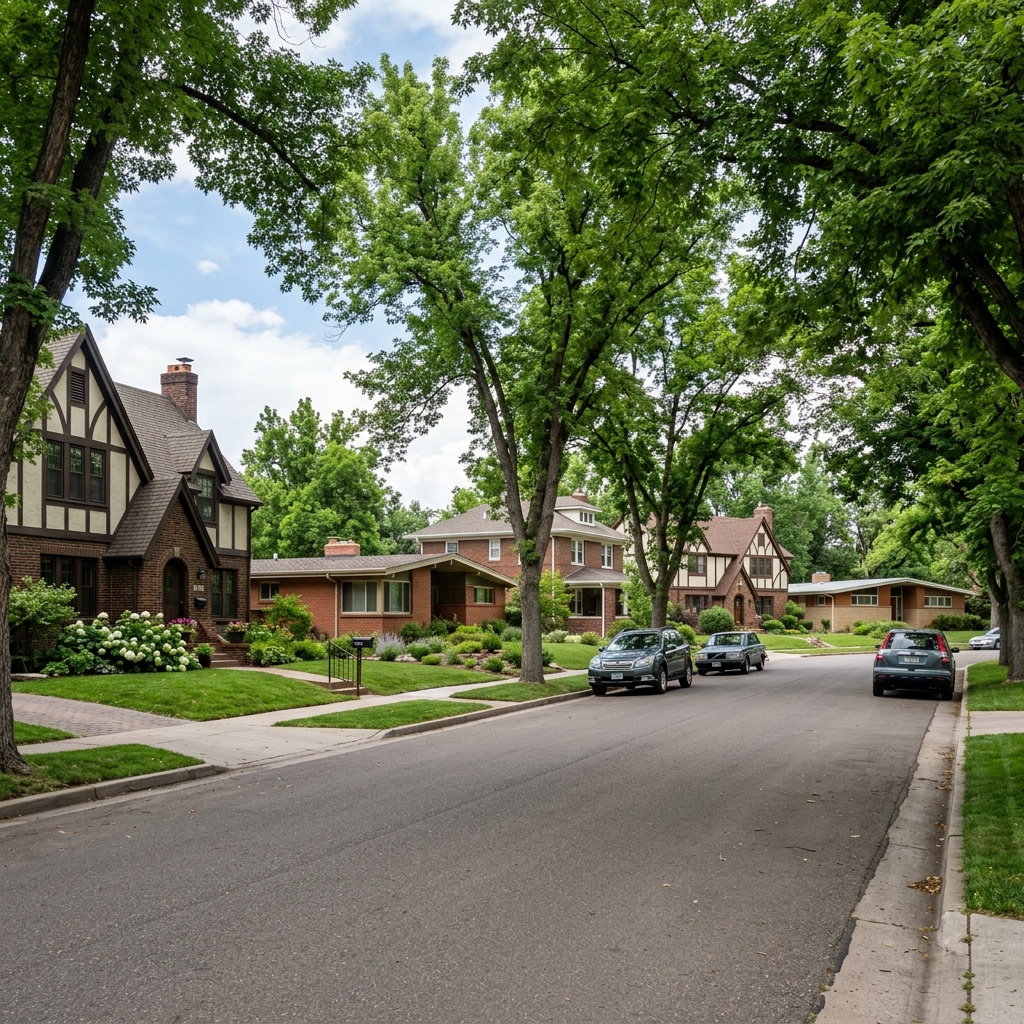
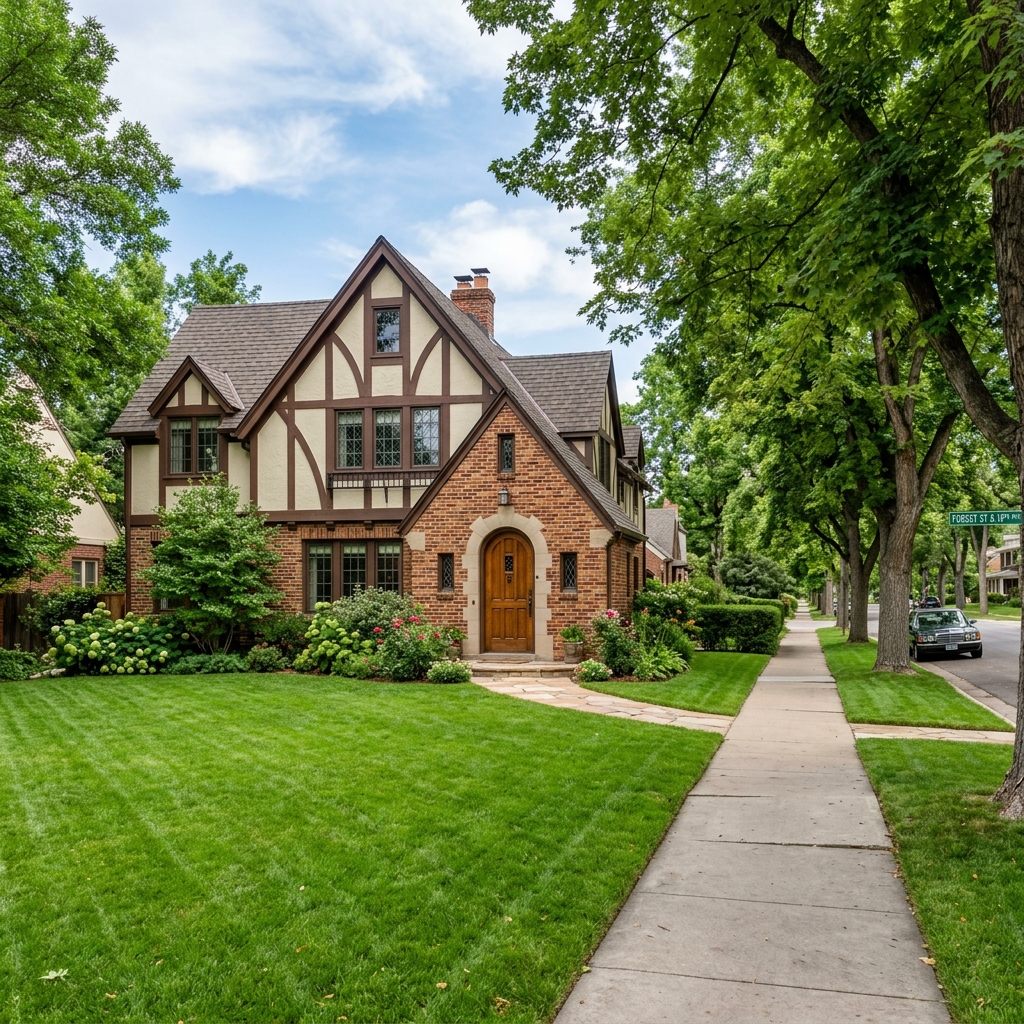
Park Hill is one of Denver's most community-oriented neighborhoods. With tree-lined streets, a mix of architectural styles from Tudors to mid-century ranches, and a neighborhood association that is among the most active in the city, Park Hill has a genuine sense of belonging that extends beyond the usual real estate marketing language. People here know their neighbors, attend community meetings, and invest in the area's future.
The neighborhood is large enough to have distinct sub-areas. North Park Hill and South Park Hill each have their own character and price dynamics, and understanding the differences is important for buyers. South Park Hill commands higher prices, with larger homes and established landscaping. North Park Hill offers more accessibility with a wider range of home sizes and styles, and has seen meaningful investment in both residential renovation and commercial development along 23rd Avenue.
The 23rd Avenue corridor has been a focus of neighborhood revitalization, with new restaurants, coffee shops, and services adding walkable options that did not exist a few years ago. Combined with adjacency to City Park's 330 acres of green space, Park Hill offers a combination of community, outdoor access, and improving amenities that appeals to a wide range of buyers.
Park Hill's neighborhood infrastructure includes a community golf course, community gardens, and an active block party tradition organized through the neighborhood association. These amenities and activities contribute to a lower-than-average turnover rate for the area, residents tend to stay longer than in many comparable Denver neighborhoods.
Buying in Park Hill
Park Hill offers more square footage per dollar than many comparable Denver neighborhoods, and the lot sizes are generally larger than you will find in denser areas like Capitol Hill or Baker. The mature trees, established landscaping, and community feel are a significant draw. Understanding the distinctions between North and South Park Hill helps identify the best fit based on budget, lifestyle, and priorities.
South Park Hill's Tudors and larger Craftsman homes appeal to buyers who want space and architectural character. North Park Hill's mid-century ranches and bungalows offer a more accessible entry point with the same community identity. Both areas benefit from the improving 23rd Avenue corridor and adjacency to City Park, the question is which combination of home style, lot size, and price point fits best.
Selling in Park Hill
Park Hill's strong community identity and improving commercial corridor attract buyers who are looking for character and substance. Highlighting the community, lot sizes, and proximity to City Park resonates with the buyer profile that tends to target this area.
The neighborhood's reputation for community engagement is a genuine selling point. Buyers who are drawn to Park Hill are often looking for exactly that, a place where neighbors know each other and the neighborhood has an identity beyond real estate. Listings that communicate that sense of belonging tend to attract serious, motivated buyers.
Park Hill's lot sizes are larger than most central Denver neighborhoods, the tree canopy is mature, and the neighborhood association is one of Denver's most active. These factors contribute to lower turnover and a community-oriented residential character that distinguishes the area from denser alternatives closer to downtown.
What Makes Park Hill Worth Considering
- Community: One of Denver's most active neighborhood associations and most engaged communities
- Space: Larger lots and more square footage per dollar compared to many central Denver neighborhoods
- Park access: Adjacent to City Park's 330 acres of green space, the zoo, and the museum
- Improving corridor: The 23rd Avenue commercial strip is adding new dining and service options
- North vs. South: Two distinct sub-markets with different price points but shared community values
Frequently Asked Questions
Cherry Creek
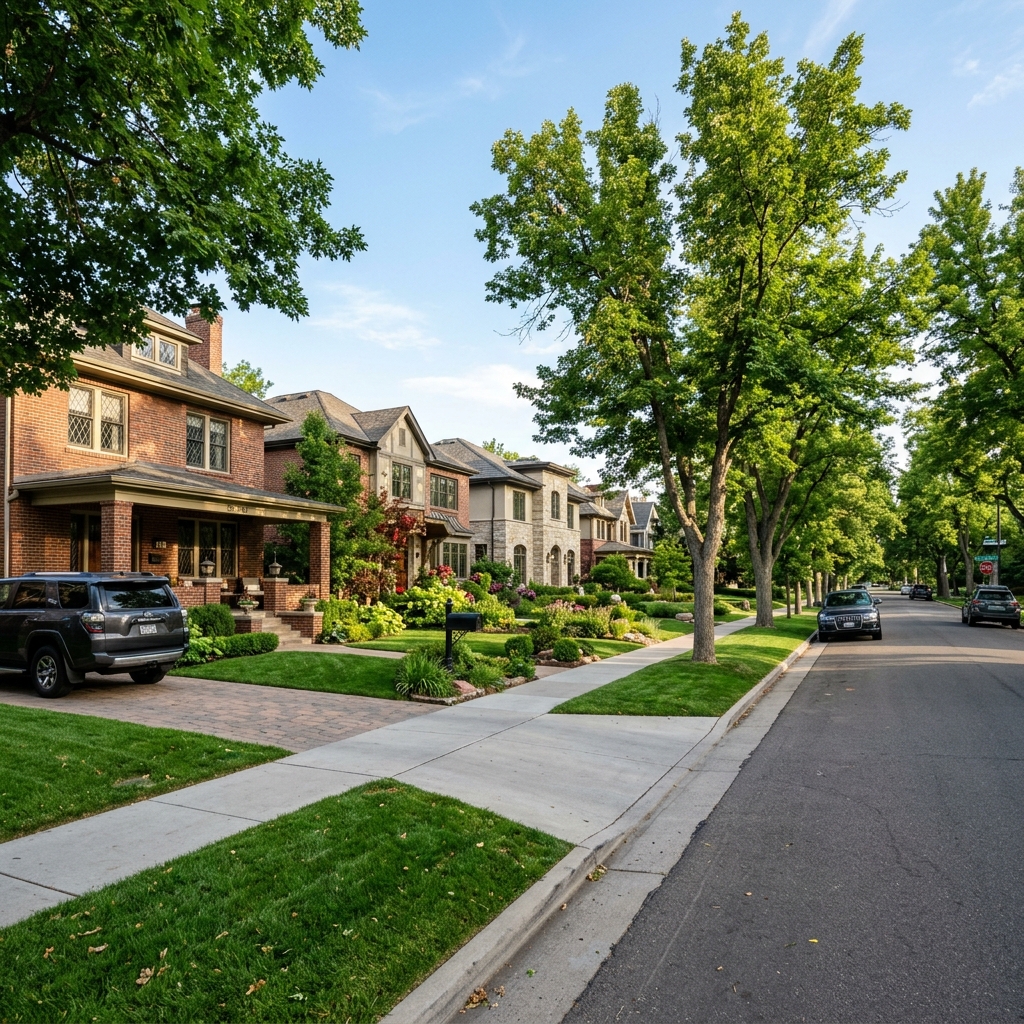
Upscale retail, dining, and refined urban living
Whittier
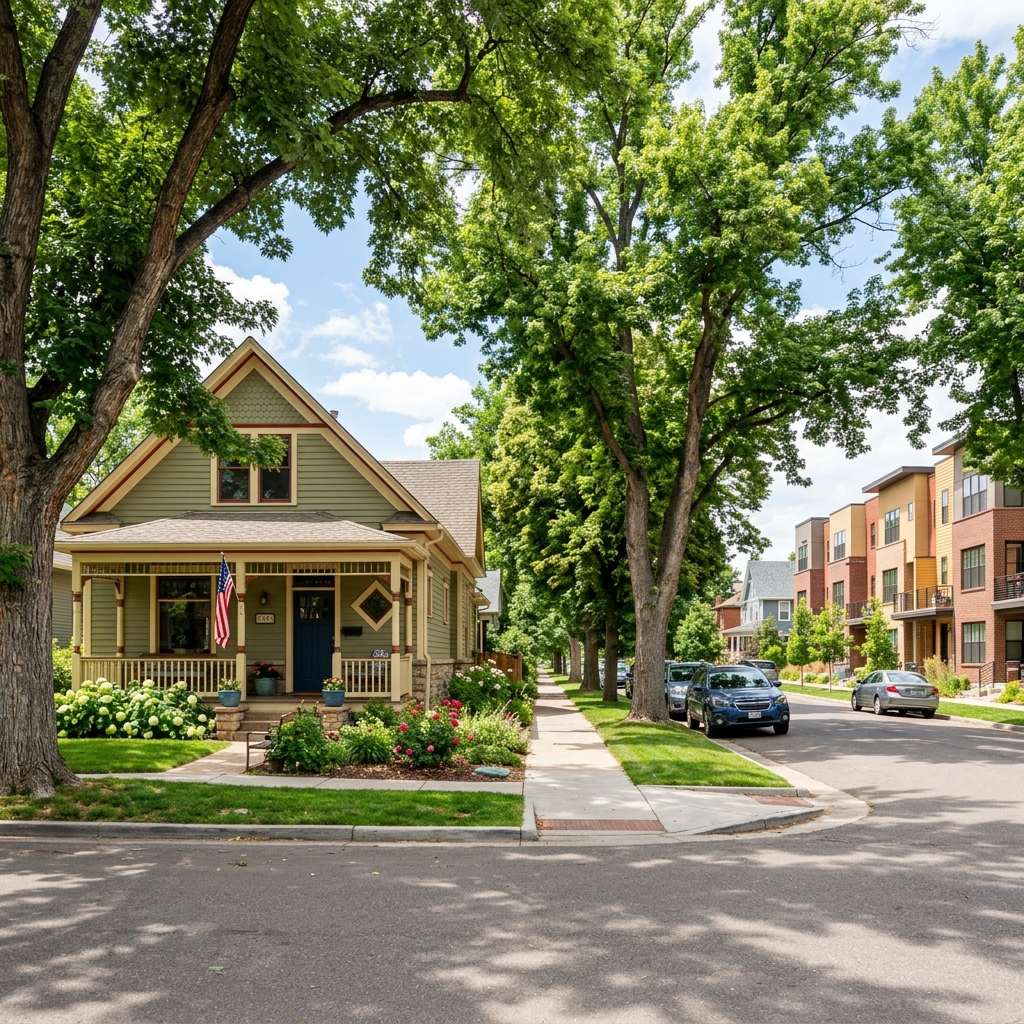
Quiet residential streets between two of Denver's most vibrant areas
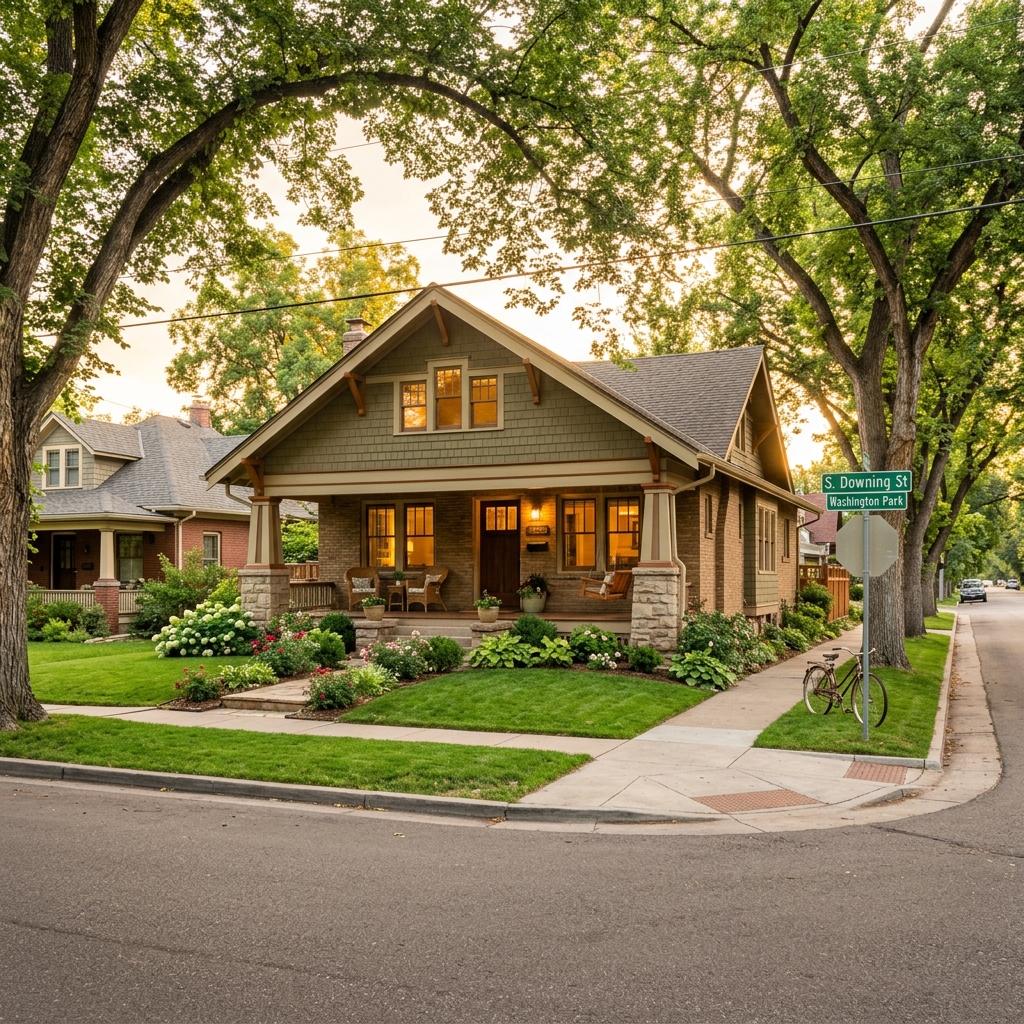
Washington Park
Tree-lined streets, classic bungalows, and an active outdoor lifestyle
Interested in Park Hill?
Get in touch →